
25 June 2026By Lucy RavenhallRecycling Guides
11 eco-friendly cleaning tips for a greener home
A clean home doesn't have to come at the expense of the environment. Eco-friendly cleaning is one of the simplest ways to reduce household waste, cut down on unnecessary plastic packaging, and limit the...
A clean home doesn't have to come at the expense of the environment. Eco-friendly cleaning is one of the simplest ways to reduce household waste, cut down on unnecessary plastic packaging, and limit the use of synthetic cleaning products.
The good news is that some of the most effective natural cleaning solutions are already sitting in your kitchen cupboards. From tackling grease and limescale to freshening carpets and removing odours, everyday ingredients can help you clean your home effectively without relying on harsh chemicals.
Here are 11 simple eco-friendly cleaning tips to help you keep your home fresh, clean, and more environmentally friendly.
Eco-friendly cleaning ingredients
Before you get started, it's worth gathering a few everyday ingredients. White vinegar, bicarbonate of soda, lemon juice, and reusable microfibre cloths can handle many common cleaning tasks around the home.
You can also add essential oils to homemade cleaning solutions for a natural fragrance.
Always check DIY cleaning solutions are suitable for the surface you're cleaning and never mix cleaning products unless you're confident it's safe to do so.
Simple eco-friendly cleaning ideas for every room in your home
Whether it’s your kitchen, bathroom, living room, or bedroom, there’s an eco-friendly way to clean it.
1. Swap to reusable cloths
Disposable cleaning wipes generate unnecessary waste and are difficult to recycle. Instead, use microfibre cloths that can be washed and reused hundreds of times. They can be used wet or dry and are ideal for dusting, cleaning glass, and tackling everyday spills.
Keep a few cloths on hand for different jobs around the home and wash them according to the manufacturer's instructions when needed.
2. Freshen carpets with bicarbonate of soda
Carpets can trap dust, dirt, pet hair, and everyday odours deep within their fibres. While specialist carpet shampoos are widely available, a few simple household ingredients can help freshen carpets between deep cleans.
Start by making a basic cleaning solution using equal parts white vinegar and cold water in a spray bottle. You can use this versatile solution throughout the home, and it features in several of our cleaning tips. However, while white vinegar is useful for many cleaning tasks, avoid using it on natural stone surfaces such as marble or granite, as its acidity can cause damage.
Next, sprinkle a generous layer of bicarbonate of soda across your carpet and leave it for around 30 minutes. This gives it time to absorb odours and lift dirt trapped within the fibres. Once the time is up, thoroughly vacuum the carpet.
For small stains, lightly spray the affected area with your vinegar solution and gently blot with a clean cloth until the stain begins to lift. Always test the solution on a small, inconspicuous area first to ensure it won't affect the carpet's colour.
3. Clean windows with vinegar and water
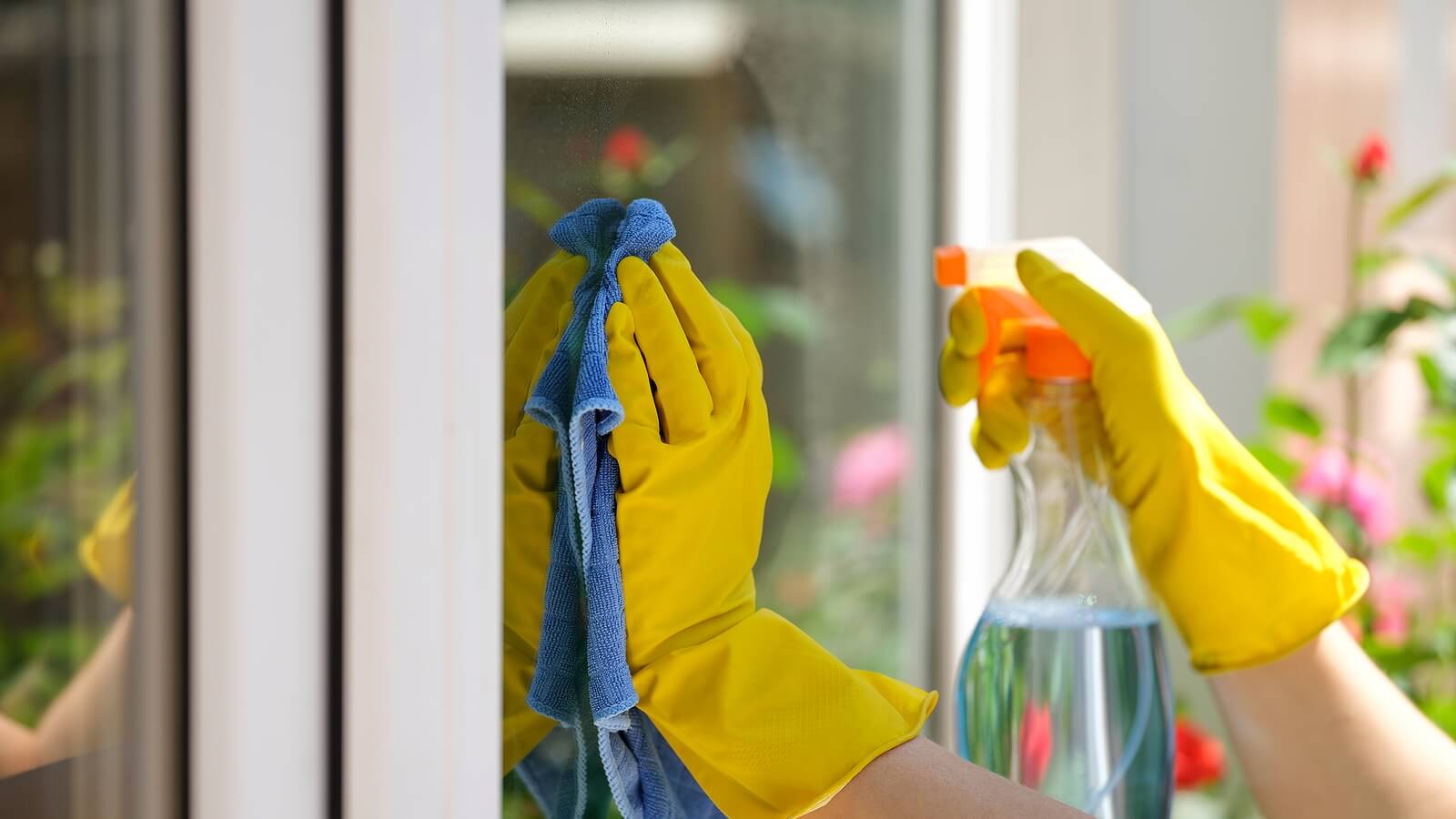
Keeping windows sparkling clean doesn't require specialist glass cleaners. Your vinegar solution can be just as effective for removing everyday dirt, fingerprints, and watermarks.
Spray the solution onto the glass, then wipe it away with a clean, dry microfibre cloth. For the best results, work from top to bottom and avoid cleaning windows in direct sunlight, as the solution may dry too quickly and leave streaks behind.
If any stubborn marks remain after cleaning, add a few drops of rubbing alcohol to your vinegar solution for extra cleaning power.
4. Polish wooden furniture with olive oil
Many furniture polishes come in single-use plastic bottles and contain synthetic fragrances. Fortunately, you can achieve a natural shine without them.
Mix two parts olive oil with one part lemon juice, then apply it sparingly to wooden furniture with a soft cloth. Gently buff the surface to restore its shine and leave behind a fresh, natural scent.
Before applying it all over, test the mixture on a hidden area to ensure it doesn't affect the finish — particularly on antique or treated wood surfaces. A little goes a long way, so use the solution sparingly to avoid leaving an oily residue.
5. Remove kitchen grease without harsh chemicals
Grease can quickly build up on kitchen worktops, splashbacks, cooker hoods, and cupboard doors. Powerful degreasers get the job done, but you can cut through it naturally, too.
Sprinkle a small amount of bicarbonate of soda onto the affected surface, then lightly spray it with your vinegar solution. Leave it to sit for a few minutes to help loosen the build-up, then wipe the area clean using a damp microfibre cloth.
For tougher grease deposits, you may need to repeat the process or let the solution sit a little longer. Plus, regular cleaning can help prevent grease from accumulating and make future cleaning much easier.
6. Steam-clean your microwave with lemon
Microwaves can quickly become coated with splashes from soups, sauces, and other foods, but there's an easy way to loosen dried-on grime without scrubbing.
Squeeze the juice of half a lemon into a microwave-safe bowl and add a cup of water. Place the bowl in the microwave and heat it on medium-high power for 3–5 minutes, ensuring the mixture doesn't boil over.
Once the cycle has finished, leave the microwave door closed for a further five minutes. The lemon-infused steam will help soften food residue and loosen grime from the interior surfaces.
Carefully remove the bowl, then wipe the inside of the microwave with a clean microfibre cloth. Any stubborn splatters should come away easily.
7. Deep clean your oven with bicarbonate of soda
Ovens are one of the toughest areas of the home to keep clean. Burnt-on food, grease, and cooking residue are a challenge to remove.
A bicarbonate of soda paste can help loosen grime without relying on shop-bought solutions. Mix bicarbonate of soda with a small amount of water until it forms a thick paste, then spread it inside your oven. Pay particular attention to heavily soiled areas.
Leave the paste to work overnight before wiping it away with a damp microfibre cloth. If any stubborn residue remains, spray it with your vinegar solution and let it sit for a few minutes before wiping it clean.
Remember, it's much easier to wipe up spills shortly after they've cooled than to tackle months of burnt-on residue during a deep clean.
8. Choose eco-friendly laundry detergents
Laundry is one of those household tasks that can have a bigger environmental impact than many people realise. From detergent packaging to energy and water use, small changes can make a noticeable difference over time.
Start by choosing an eco-friendly laundry detergent that uses biodegradable ingredients and, where possible, minimal packaging. Avoid using more than the recommended amount, as excess detergent doesn't necessarily make clothes cleaner and creates unnecessary waste.
You can also reduce your environmental impact by washing clothes at lower temperatures and only running full loads. As a natural alternative to conventional fabric softeners, try adding a small amount of white vinegar to your machine’s fabric softener compartment. It can help soften fabrics and reduce lingering odours without leaving a vinegar smell behind.
For lightly worn clothes, consider whether they need washing at all. Washing garments only when necessary can help them last longer while reducing water and energy consumption.
9. Clean your toilet without bleach
Keeping your toilet clean doesn't have to involve bleach or multiple specialist products. A combination of bicarbonate of soda and white vinegar can help freshen the bowl and loosen everyday stains.
Pour half to one cup of bicarbonate of soda into the toilet bowl, followed by one to two cups of white vinegar. Make sure to distribute the mixture evenly around the bowl using a toilet brush so it reaches every stained area.
Leave the mixture to fizz for about 30 minutes, then scrub with a toilet brush and flush. For tougher stains, leave it for a little longer before scrubbing.
Regular cleaning can help prevent staining and reduce the need for stronger cleaning products in the future.
10. Freshen drains without harsh chemicals
Kitchen and bathroom drains can sometimes develop unpleasant odours due to the build-up of food residue, grease, soap scum, and other debris.
To tackle the problem, start by pouring one cup of bicarbonate of soda down the drain, followed by one cup of vinegar. Leave the mixture to fizz for around 10 minutes before flushing the drain with plenty of boiling water from the kettle.
This simple method can help reduce odours and clear minor build-ups. However, if you're dealing with a significant blockage, you may need to use a drain snake or plunger, or seek professional assistance.
Prevent future problems by avoiding pouring fats, oils, and grease down kitchen sinks and regularly removing hair and debris from bathroom drains.
11. Remove limescale naturally
Limescale can quickly build up on taps, showerheads, kettles, and other appliances, especially in hard-water areas. It makes surfaces look dull and can reduce the performance of household appliances over time.
Luckily, white vinegar is an effective natural descaler. Soak removable items, like showerheads, in a mixture of equal parts white vinegar and water for a few hours, then gently scrub them with an old toothbrush and rinse thoroughly.
For taps and other fixed fixtures, soak a cloth or paper towel in your vinegar solution and wrap it around the affected area. Leave it in place for around an hour before scrubbing target areas with a toothbrush, wiping the fixture clean, and rinsing away any remaining residue.
To clean a kettle, fill it with a mixture of water and white vinegar, leave it to sit for around an hour, then boil and rinse thoroughly before using it again.
Benefits of eco-friendly cleaning
Switching to eco-friendly cleaning products can help reduce waste, cut down on unnecessary packaging, and support a more sustainable lifestyle.
Reduce plastic waste
Many eco-friendly cleaning solutions rely on ingredients you can buy in larger quantities and use for multiple cleaning tasks, reducing the need for numerous single-use plastic bottles.
According to DEFRA, household waste in the UK increased to 21.9 million tonnes in 2024, up from 21.7 million tonnes in 2023. While cleaning products are only part of the picture, small changes like using reusable cleaning cloths and reducing unnecessary packaging can help cut the amount of waste generated at home.
Avoid unnecessary chemicals
Conventional cleaning products typically contain ingredients that some people prefer to limit in their homes, particularly where children or pets are present.
Save money
Simple ingredients like white vinegar and bicarbonate of soda are typically much cheaper than buying several specialist cleaning products. Because they can be used for multiple cleaning tasks, you'll also often need fewer products overall.
Improve indoor air quality
Using fewer synthetic cleaning products may help reduce exposure to unnecessary airborne chemicals and strong artificial fragrances. Most people also find that natural cleaning ingredients produce fewer lingering odours, creating a fresher and more comfortable home environment.
Final thoughts
Eco-friendly cleaning doesn't have to be complicated. By using simple ingredients such as white vinegar, bicarbonate of soda, and lemon juice, you can tackle many everyday cleaning tasks while reducing waste and benefiting the environment.
Small changes can add up over time. Whether you're swapping disposable wipes for reusable cloths, choosing eco-friendly laundry detergents, or reducing the number of plastic bottles under your sink, every step can create a more sustainable lifestyle. At Velo Recycling, we understand that reducing waste doesn't start at the recycling centre — it starts with the everyday choices we make at home and in the workplace.